
Threat Category: Malware Distribution | Social Engineering
Threat Campaign: Yoba
Affected Platform: Windows
Malware Components: YobaDropper, YobaLoader
Observed Payload: XMRig cryptocurrency miner
When a Trusted Download Becomes the Threat
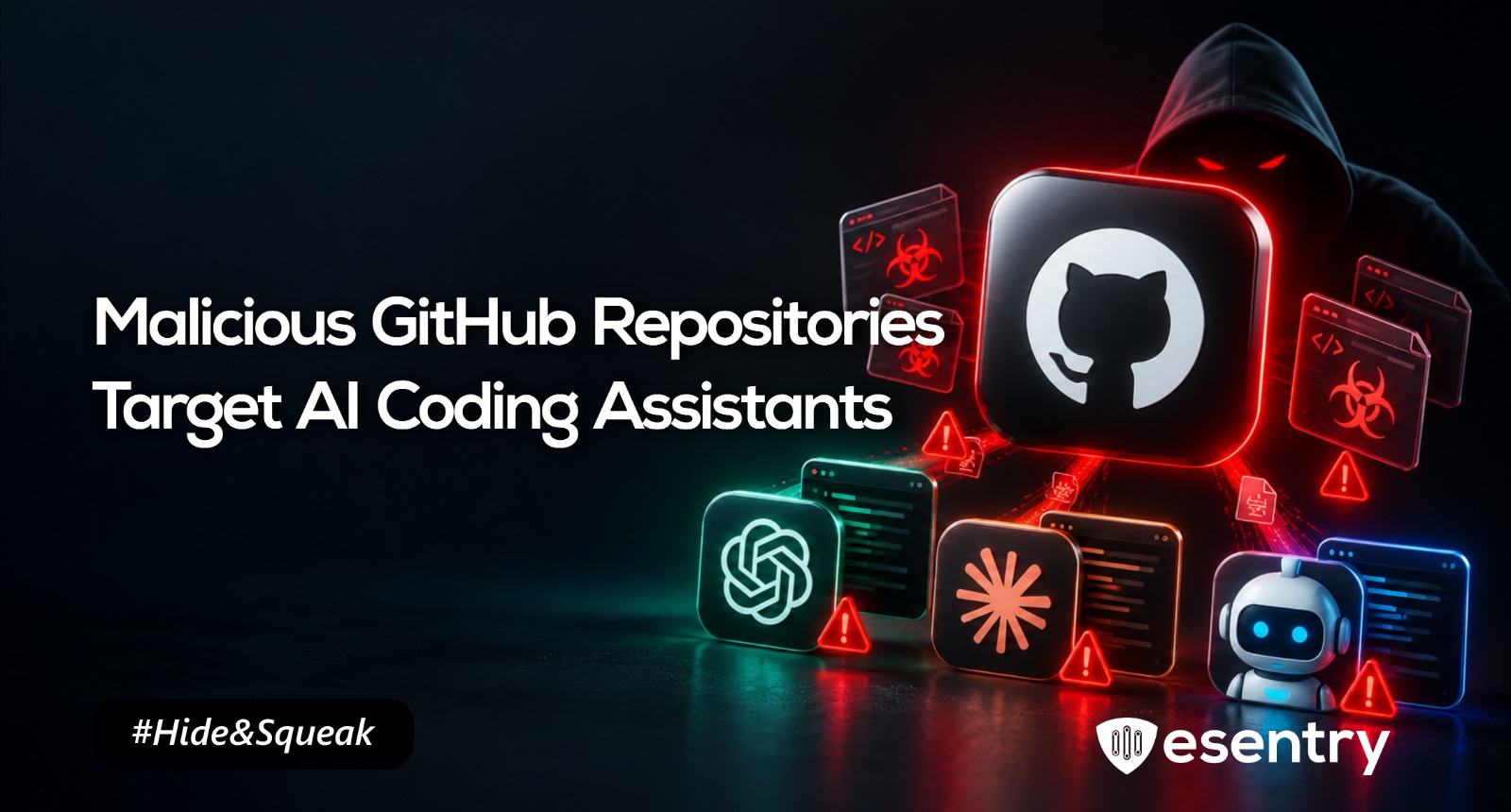
Searching for an AI tool and downloading it from GitHub may seem routine. However, attackers are exploiting that trust to distribute malware disguised as desktop applications for ChatGPT and Claude.
The campaign, tracked as Yoba, uses fake GitHub repositories and websites advertising applications such as GPT-5.6 Sol, GPT-6 Astra and Claude Opus. The pages appear in search results, making malicious downloads easier to mistake for legitimate software.
The deception goes beyond branding. The downloaded ZIP files contain genuine, digitally signed executables associated with OpenAI or Anthropic, bundled with malicious components. When the executable runs, it can load a malicious DLL—a technique known as DLL sideloading—allowing attackers to execute code through a legitimate application.
How Does the Yoba Malware Campaign Work?
The attack begins when a user downloads and runs a fake AI application. Its malicious components, YobaDropper and YobaLoader, establish a pathway for retrieving and executing additional payloads.
Researchers observed an XMRig cryptocurrency miner as the final payload. This software can use a compromised computer's processing power to mine cryptocurrency, potentially degrading performance and increasing resource consumption. Because YobaLoader can retrieve other executable files or PowerShell scripts, the campaign could also be adapted to deliver different malware.
The operators further complicate detection by using Telegram, DNS over HTTPS (DoH) and third-party file hosting for parts of their delivery infrastructure. These techniques can make malicious activity harder to distinguish from legitimate traffic.
Who Is at Risk and What Should Organisations Do?
Organisations across Nigeria and Africa are potentially exposed, particularly those whose employees download AI tools, developer utilities or other software outside approved channels. A compromised workstation could suffer resource abuse, expose business data or become a foothold for further malicious activity.
A valid digital signature alone does not guarantee that a software package is safe. In this campaign, legitimate signed executables are used to load malicious code.
Organisations should:
- Control software downloads: Obtain AI applications from official vendor websites and restrict unapproved software installation.
- Strengthen endpoint detection: Monitor unusual DLL loading, suspicious scheduled-task creation, unexpected processes launched by signed applications and abnormal resource consumption.
- Investigate network activity: Review suspicious DNS-over-HTTPS requests and connections to unfamiliar file-hosting or cryptocurrency-mining infrastructure.
- Hunt for exposure: Check endpoint telemetry for known Yoba campaign indicators and investigate devices where unofficial ChatGPT or Claude installers have been executed.