
Client Profile
An organization hosted a public-facing business application on a production server.
The same server also hosted a separate internal application that was not exposed to the internet. The internal application however contained a known vulnerability.
Business Challenge
The company detected suspicious activity on the server but could not determine the full scope of the compromise.
The key questions were:
How did the attacker get in? What did they access? How far did they get? And why wasn't the activity detected earlier?
Our Approach
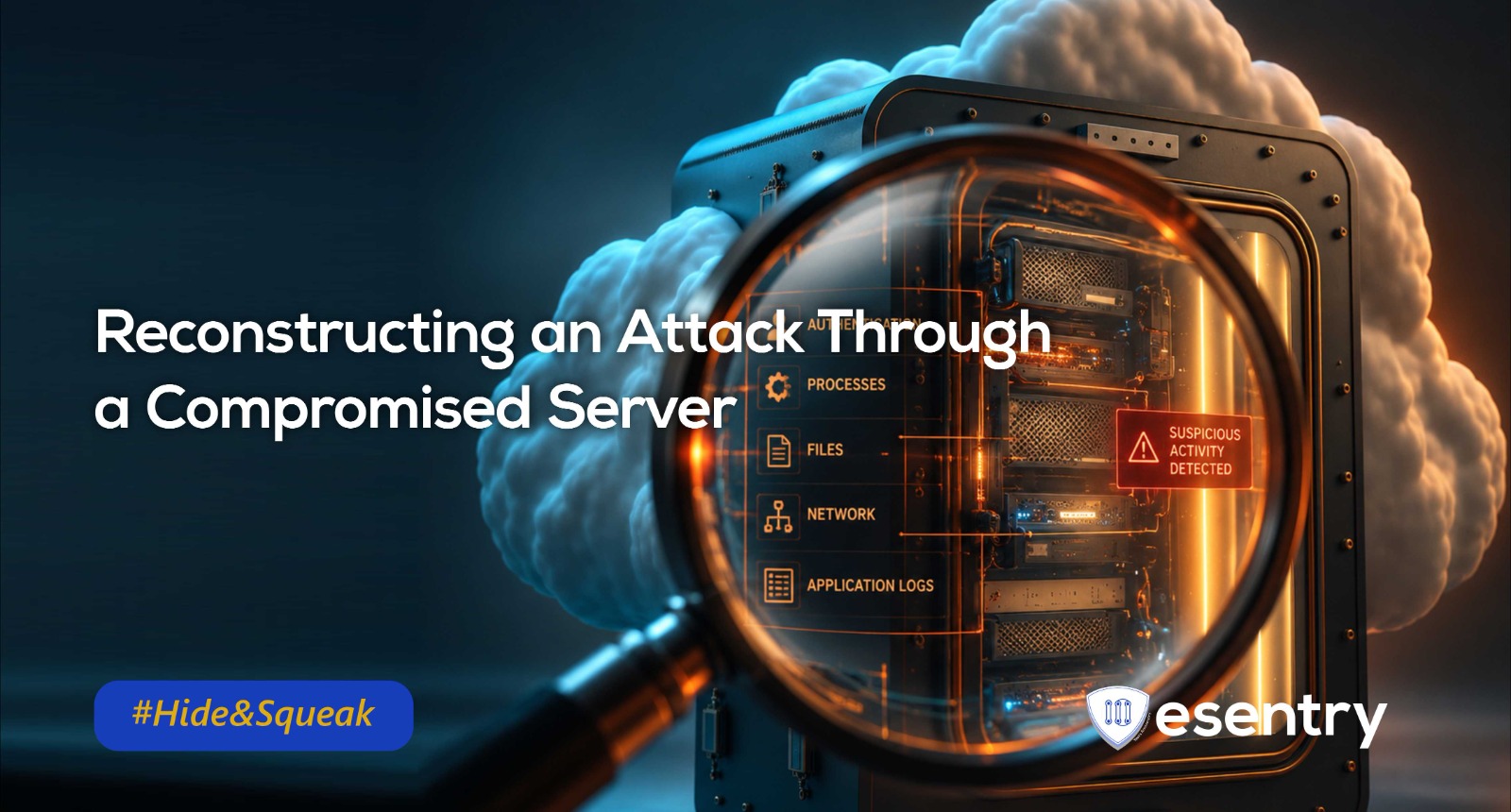
Our digital forensics team performed a forensic examination of the affected server, analysing system, application, authentication, and network artefacts to reconstruct the attack timeline.
We established:
- The attacker's initial point of access through the public-facing application
- How the attacker interacted with the vulnerable internal application
- The activity that followed the exploitation
- Accounts, processes, files, and systems accessed during the compromise
- Evidence of attempts to move further into the environment
We then used the forensic findings to identify gaps in the client's existing security monitoring and detection capabilities.
This included determining which stages of the attack generated telemetry but were not being monitored, where relevant activity could have been detected earlier, and which security controls failed to provide sufficient visibility.
Finally, we provided targeted recommendations to address the findings — including improvements to logging, detection coverage, monitoring, segmentation, and security controls around the affected applications and server.
Outcome
The engagement gave the client more than a timeline of what happened.
It showed how the attacker entered, what they did, what the client could and could not see, and what needed to change to reduce the likelihood of a similar compromise going undetected.
Key Benefits
- Reconstructed the attack from initial access through subsequent activity
- Identified the scope and potential impact of the compromise
- Exposed gaps in existing detection and monitoring coverage
- Provided actionable recommendations based on forensic evidence
- Strengthened the client's ability to detect and respond to similar attacks in the future

.jpeg)

.png)


.png)
.png)