
Severity: Critical
Date Released: 9 June 2026
Affected Organizations: All organizations utilizing Microsoft Windows, Microsoft Office, Azure-integrated services, Active Directory environments, and Microsoft enterprise infrastructure.
Overview
Microsoft's June 2026 Patch Tuesday represents the largest security update release in the company's history, addressing approximately 200 vulnerabilities across the Microsoft ecosystem, including 33 Critical vulnerabilities and three publicly disclosed zero-day flaws. The update contains 55 Remote Code Execution (RCE) vulnerabilities, making it one of the most significant patch cycles observed in recent years.
While Microsoft has not confirmed active exploitation of the disclosed zero-days at the time of release, public disclosure significantly increases the likelihood of weaponization by threat actors in the coming days and weeks. Organizations delaying remediation face elevated risks of privilege escalation, denial-of-service attacks, remote code execution, and potential compromise of critical business systems.
This advisory recommends immediate prioritization of patch deployment, particularly for internet-facing systems, domain controllers, Windows servers, Remote Desktop infrastructure, and privileged user workstations.
Key Findings
- Largest Microsoft Patch Tuesday Release on Record
The June 2026 release surpassed all previous Patch Tuesday records, fixing approximately 200 vulnerabilities across Microsoft products and services. Security researchers have described the release as a significant indicator of the growing scale of vulnerability discovery affecting enterprise software.
Vulnerability Breakdown
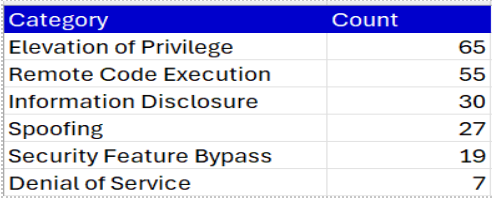
The high concentration of Remote Code Execution vulnerabilities is particularly concerning because successful exploitation may allow attackers to execute arbitrary code without physical access to target systems.
- Three Publicly Disclosed Zero-Day Vulnerabilities
Microsoft addressed three publicly disclosed zero-day vulnerabilities that were known before patches became available.
CVE-2026-45586 (Windows Collaborative Translation Framework (CTFMON) Elevation of Privilege): An attacker with local access can exploit improper link resolution mechanisms to obtain SYSTEM-level privileges on affected systems. Successful exploitation would allow threat actor to bypass standard user restrictions and gain complete control over compromised devices.
CVE-2026-49160 (HTTP/2 Bomb Denial-of-Service Vulnerability): This vulnerability can be leveraged to exhaust server resources and disrupt business operations by overwhelming targeted systems through malicious HTTP/2 requests.
CVE-2026-50507 (BitLocker / Windows Recovery Environment Security Bypass): This is a method that abuses trusted Windows Recovery Environment components to bypass BitLocker protections under certain circumstances involving physical access. This highlights the growing trend of adversaries targeting recovery and boot environments to evade traditional security controls.
- Elevated Risk to Enterprise Infrastructure
Several vulnerabilities patched this month affect core enterprise services that commonly form the backbone of corporate environments.
Areas requiring immediate attention include:
- Active Directory infrastructure
- Domain Controllers
- Windows Server deployments
- Remote Desktop environments
- Azure-connected services
- Enterprise Windows endpoints
- Privileged administrator workstations
Successful exploitation of vulnerabilities within these systems could facilitate lateral movement, credential theft, ransomware deployment, and full domain compromise.
Recommendations
- Prioritize Immediate Patching of High-Risk Vulnerabilities
- Expedite deployment of security updates for vulnerabilities affecting the Remote Desktop Client, HTTP.sys, and Windows Graphics components, as these have a higher likelihood of exploitation.
- Secure Privileged Workstations
- Prioritize patching administrator and privileged-access systems to mitigate risks associated with Remote Desktop Client vulnerabilities that could be exploited through connections to malicious or compromised hosts.
- Accelerate Office and Outlook Updates
- Deploy patches for Microsoft Office and Outlook vulnerabilities as soon as possible, particularly those that can be triggered through email preview or content rendering, reducing exposure to phishing-based attacks.
- Prioritize Critical Infrastructure Systems
- Assess and remediate vulnerabilities affecting Hyper-V, Azure Kubernetes Service (AKS), Active Directory, and Kerberos environments based on their business criticality and potential impact on enterprise operations.
- Focus on Identity and Authentication Security
- Review and strengthen monitoring of Active Directory and Kerberos environments to detect signs of privilege escalation, unauthorized access, or lateral movement attempts.


.jpeg)

.png)


.png)
.png)