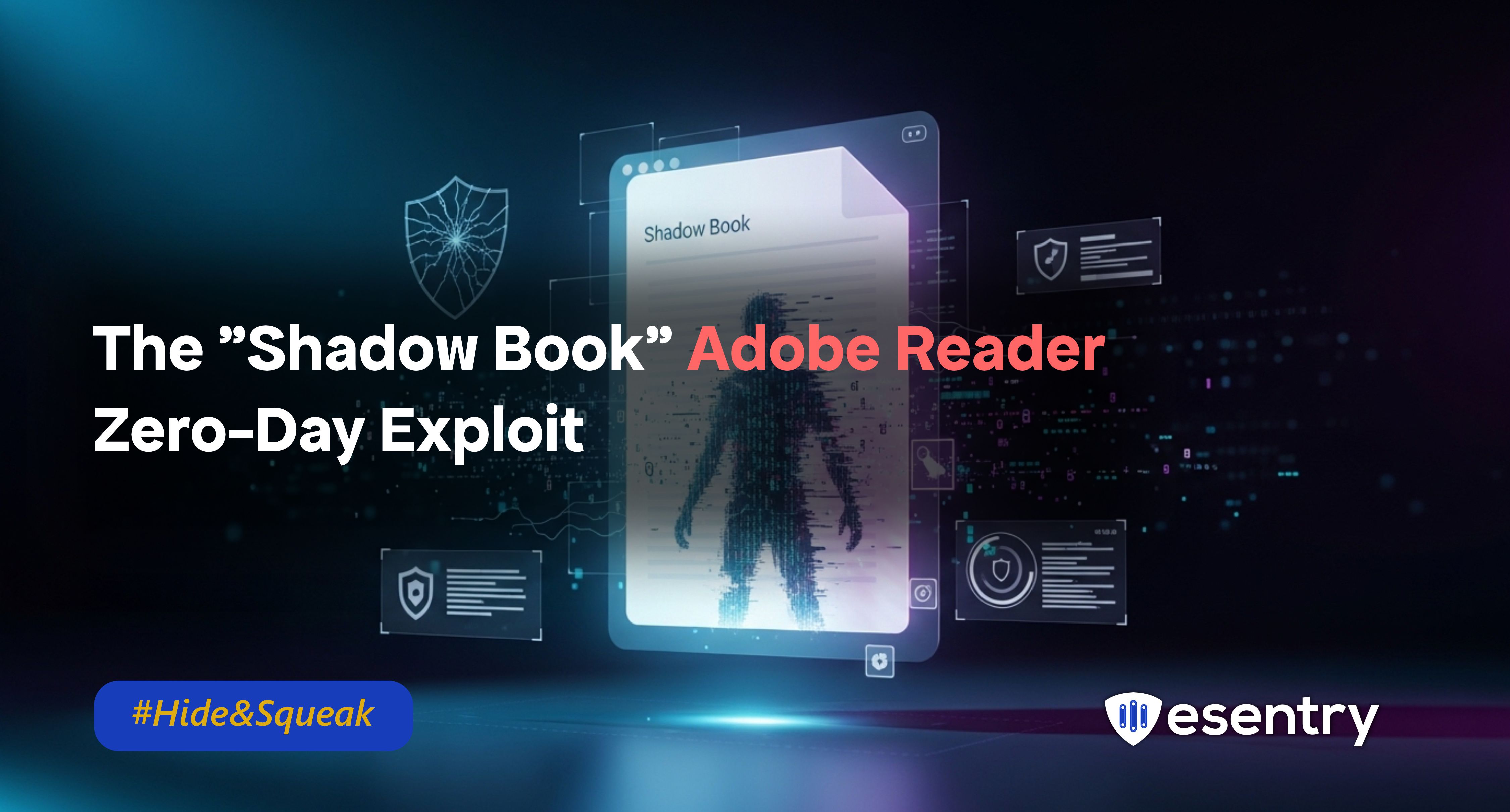
A recently discovered zero-day vulnerability in Adobe Reader has raised significant concerns. This flaw allows attackers to exploit the software through malicious PDF files, potentially compromising users' systems. As Adobe Reader is widely used for viewing and managing PDF documents, this vulnerability poses a serious threat to individuals and organizations alike.
What is a Zero-Day Vulnerability?
A zero-day vulnerability refers to a security flaw that is unknown to the software vendor and has not yet been patched. This means that attackers can exploit the vulnerability before the vendor has a chance to release a fix. In the case of Adobe Reader, this zero-day flaw is being actively exploited in the wild, making it particularly dangerous.
What’s Happening?
Attackers are creating malicious PDF documents designed to exploit weaknesses in Adobe Reader. When a victim opens the file, the hidden exploit is triggered.
These PDFs may look completely normal like invoices, reports, or official documents but behind the scenes, they contain harmful code.
PDF files are widely trusted and commonly used, which makes them an effective attack method. In fact, PDFs can include embedded scripts or hidden objects that execute when opened, making them a powerful delivery tool for attackers
What Can the Attack Do?
Once the malicious PDF is opened, an attacker may be able to:
- Run unauthorized code on the victim’s system
- Steal sensitive information
- Install malware or backdoors
- Take control of the system (depending on user privileges)
How the Exploit Works
The attacker creates a specially crafted PDF
- The file is sent via email, download link, or shared platform
- The victim opens the PDF in Adobe Reader
- The hidden exploit triggers automatically
- The attacker gains access or control
Why This Is Serious
- No warning signs: The file may look legitimate
- Everyday file format: PDFs are trusted and widely used
- Zero-day status: No immediate patch at the time of discovery
- User interaction is minimal: Just opening the file can be enough
Recommendation
- Update Adobe Reader immediately once a patch is available
- Avoid opening PDFs from unknown or untrusted sources
- Use endpoint protection tools to detect suspicious files
- Open sensitive files in a sandboxed or protected environment
- Use email filtering solutions that can detect and block suspicious attachments, reducing the risk of malicious PDFs reaching users

.jpeg)
.jpeg)
.jpeg)

.png)


.png)
.png)